Practical Solitaire Rules, Examples, and Gameplay Guides
Independent introductions and worked examples for Klondike, solitaire variants, and traditional card games.
-

Where to Play Solitaire Online: Google, Klondike, Spider, FreeCell, and More
Verified links to Google Solitaire and browser versions of Klondike, Spider, FreeCell, Pyramid, TriPeaks, Accordion, and more, with access notes checked August 13, 2026.
-

Daily Solitaire Challenges: Staying Motivated
Introduction For many players, Solitaire is more than just a casual game—it’s a daily ritual. Completing a game or chasing a high score can bring a small but satisfying sense of accomplishment. Yet, like any routine, it’s easy to fall into a pattern of playing without real purpose, leading to boredom or frustration. Daily challenges…
-

Solitaire Mistakes to Avoid: Common Pitfalls
Introduction Solitaire may look like a simple card game, but anyone who has played it long enough knows how quickly small mistakes can ruin a round. One wrong move can block your progress, trap useful cards, or even make the game unwinnable. Many players lose not because the puzzle is impossible, but because they fall…
-

Speed Solitaire: How to Play Faster and Smarter
Introduction If you’ve ever watched a skilled Solitaire player in action, you know the game can move at lightning speed. Cards fly into place, foundations build up in seconds, and before you can blink, the game is over with a high score flashing across the screen. For most of us, though, Solitaire feels more like…
-
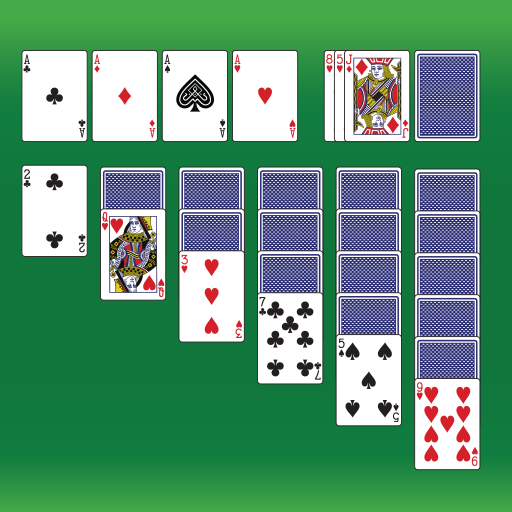
Klondike Solitaire Strategy: Move Priorities and Winnability Limits
Substantively reviewed August 14, 2026 · Editorial policy · Request a correction Strategy has to start with an exact ruleset Quick answer: In Klondike, prefer moves that expose a face-down tableau card, create usable space, or improve access to the stock. A legal move is not automatically a useful move, and no move-order checklist can…
-

How to Play Klondike Solitaire: Rules and a Worked Example
Learn a clearly defined draw-one Klondike ruleset, legal moves, draw-one versus draw-three differences, and a worked move example.